Roof Flashing Repair: Stop Leaks Before They Start
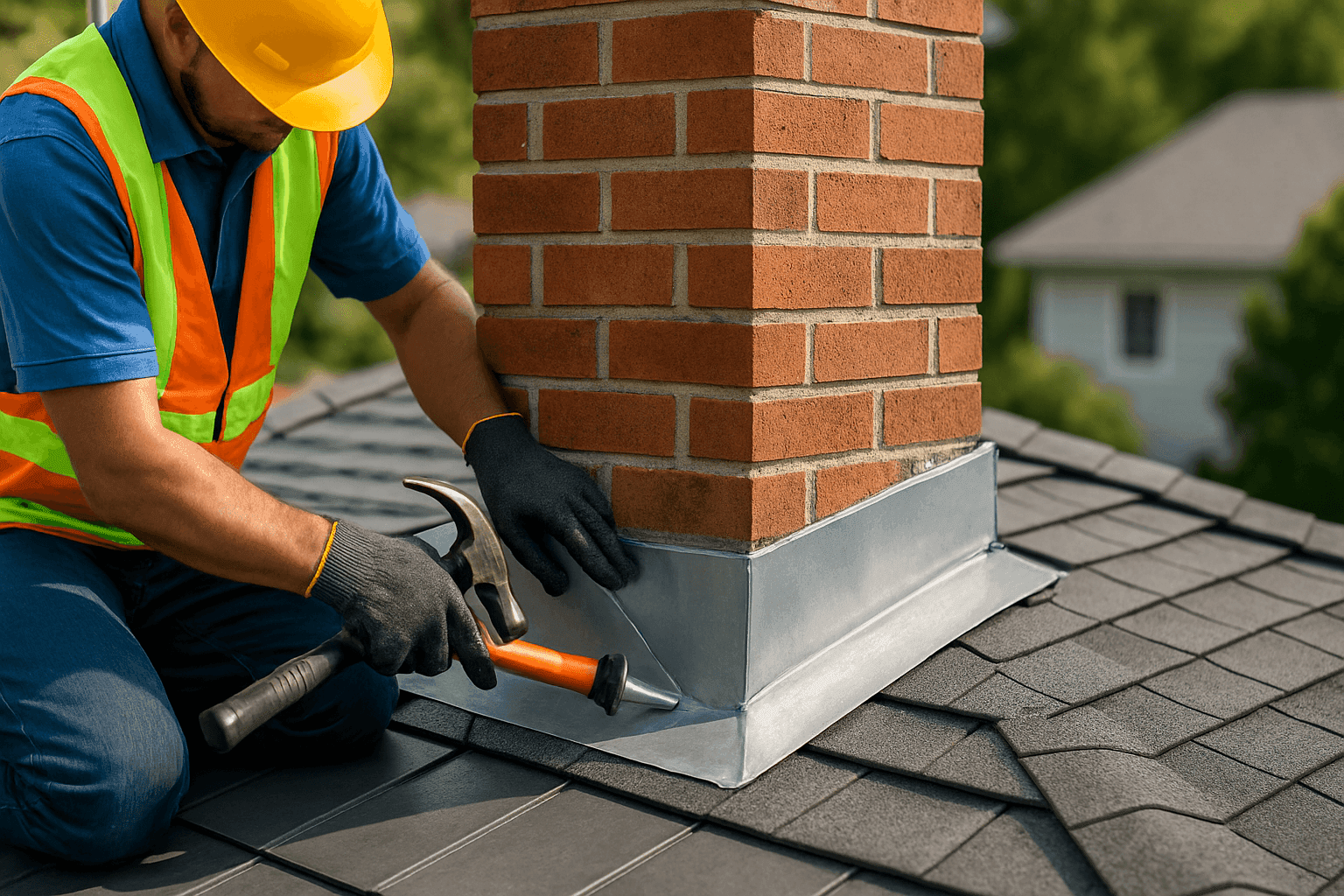
Your roof is supposed to keep you dry. But even the strongest roof can develop hidden leaks—especially where metal meets shingles. Water always finds a way. That’s why roof flashing matters.
At Vesley Roofing, we know the stress that comes with unexpected drips or stains on your ceiling. Leaks don’t wait for a convenient time. They show up in the middle of the night or during the worst storm of the year. That’s where emergency roofing teams like ours step in—fast and ready.
What Is Roof Flashing? 🏠
Think of flashing as your roof’s raincoat zipper. It’s thin, weather-resistant metal bent and shaped to cover vulnerable spots. Flashing is installed anywhere two parts of your roof meet or where something pokes through the roof—like a chimney, vent, or skylight.
Common places you’ll find flashing:
- Around chimneys (the “collar” that hugs the bricks)
- In roof valleys (the low lines where two slopes join)
- Beside skylights or roof windows
- Near vent pipes, exhaust fans, and satellite mounts
- At walls where the roof meets siding
Flashing directs water away from seams, cracks, and edges. When it’s in top shape, leaks don’t stand a chance. But, even a small gap or rust spot can let water sneak in.
Common Flashing Problems
Flashing takes a beating from weather and time. Here’s what can go wrong:
- Corrosion: Metal rusts, especially in areas with rain, snow, or salty air.
- Cracked or dried sealant: Old caulking loses grip, leaving spaces for water.
- Loose nails or fasteners: High winds or winter freeze-thaw cycles can wiggle things loose.
- Improper installation: If flashing isn’t tucked under shingles or lapped right, it can’t do its job.
- Physical damage: Falling branches, critters, or even old repairs can dent or bend flashing.
These flaws might seem small. But water will always find the path of least resistance—straight into your attic or walls.
How to Spot Flashing Leaks
Leaks don’t always announce themselves with a dramatic drip. Often, the signs are subtle:
- Stains on ceilings or walls: Brown rings or soft spots are classic leak trails.
- Peeling paint or bubbling wallpaper: Moisture trapped behind finishes.
- Visible rust or gaps: Step outside and scan your roof’s edges, valleys, and chimneys.
- Wet insulation or musty attic smells: Water may travel far from the leak site before you see it.
Pro tip: Use a flashlight in your attic after a rainstorm. Look for damp wood, shiny nails, or water streaks. If you see any, it’s time for a closer look.
Repair and Prevention Tips
Spotting a flashing problem early can save you headaches and money. Here’s what you can do:
Quick Fixes (If You’re Handy)
- Reseal minor cracks: High-quality roofing caulk (rated for exterior use) can plug small gaps until you get professional help.
- Tighten loose nails: Only if it’s safe—never climb on a steep or wet roof.
- Clear debris: Leaves and branches can trap water and speed up rust.
Long-Term Solutions
- Replace corroded flashing: Swap out rusty or bent sections with new metal.
- Upgrade to better materials: Aluminum and copper last longer than cheap steel.
- Regular inspections: Schedule preventative maintenance near you every year, especially after storms.
- Check building codes: The International Residential Code (IRC) sets guidelines for proper flashing installation—make sure your repairs follow them.
When to Call Vesley Roofing
Roof work is risky. Slipping, falling, or causing more leaks is easier than you think. For anything bigger than a dab of caulk, it’s safer (and smarter) to call in pros. Vesley Roofing responds quickly, day or night, with the right gear and know-how.
Where Flashing Fails Most (And Why)
Not all flashing is created—or installed—equal. Here are the most leak-prone spots:
- Chimneys: The intersection of brick and shingle is a magnet for drips. Step flashing must be layered carefully.
- Valleys: Water races down these channels during storms. Poorly lapped metal or missing underlayment spells trouble.
- Skylights: These need custom flashing kits. Off-the-shelf solutions rarely fit perfectly.
- Roof-to-wall joints: Where a sloped roof meets vertical siding, water pools if flashing isn’t tucked right.
Most failures trace back to shortcuts during construction, storm damage, or skipped maintenance.
When It’s an Emergency 🚨
If water is pouring in—especially during a storm—don’t wait. Move valuables, contain water with buckets, and call emergency roofing help immediately. Prolonged leaks can rot framing, ruin insulation, and spark mold growth within days.
Vesley Roofing offers rapid leak response, even in the middle of the night. We’ll tarp damaged areas, stop the water, and plan a permanent repair as soon as it’s safe.
Quick Safety Checklist
Before you inspect or attempt small repairs, keep these safety basics in mind:
- Never climb on a wet or icy roof.
- Use a sturdy ladder and have someone steady it.
- Wear rubber-soled boots for grip.
- Watch out for power lines and overhead hazards.
- If you’re unsure—don’t risk it. Call Vesley Roofing.
DIY vs. Call a Pro
Some flashing fixes are quick—caulking a tiny gap or tapping down a loose edge. But most repairs require specialized tools, ladders, and the ability to spot hidden issues. Roofs are dangerous, and even a small slip can lead to serious injury.
Call a professional if:
- The flashing is rusted through, bent, or missing altogether.
- You see water stains in multiple places.
- The leak is near electrical wiring or difficult-to-reach areas.
- You’re uncomfortable on a ladder or roof.
What Pros Do On Arrival
When you call Vesley Roofing, here’s what happens next:
- Thorough inspection: We check all flashing points—chimneys, valleys, skylights, vents, and more.
- Pinpoint the leak: Using moisture meters, infrared cameras, and good old-fashioned detective work.
- Temporary protection: If the weather’s bad, we’ll tarp or seal the problem area on the spot.
- Permanent repair: We match flashing to your roof type (shingle, tile, metal, or flat) and ensure it’s installed to current building codes.
- Cleanup: Debris, old metal, and sealant—gone. Your roof, restored.
Prevention & Maintenance
A little attention now can prevent major headaches later. Here’s how to keep your flashing in shape:
- Annual inspections: Fall and spring are best—before and after major weather changes.
- Clean your gutters: Blocked gutters cause water to back up and seep under flashing.
- Trim nearby trees: Overhanging branches can batter flashing during storms.
- Check after storms: High winds and hail often loosen or dent flashing.
- Prioritize preventative maintenance near you: Local pros know what your climate throws at roofs.
Costs & Time Factors
Flashing repairs are usually affordable—especially compared to the cost of fixing water damage. Here’s what affects the price and timeline:
- Extent of damage: Small patches take less time and material. Full replacement costs more.
- Roof type and pitch: Steep or complex roofs require more labor.
- Material choice: Copper and high-end aluminum cost more but last longer.
- Accessibility: Chimneys and skylights might need scaffolding or specialty tools.
Most repairs take a few hours to a full day. Emergency roofing teams can often provide same-day leak stops, then schedule permanent repairs when weather allows.
FAQ: Roof Flashing Repair
Q: Can I use regular caulk to seal flashing leaks?
A: Not all caulks are created equal. Use exterior-grade, roofing-approved sealants. Temporary fixes only—get a pro’s opinion soon.
Q: How long does flashing last?
A: Quality metal flashing can last 20+ years, but harsh weather, poor maintenance, or installation shortcuts can shorten that lifespan.
Q: How often should flashing be inspected?
A: Once a year, minimum—or after any severe storm. If you see stains or suspect a leak, check sooner.
Q: Are flashing repairs covered by homeowners insurance?
A: Sometimes, especially if the damage is sudden and caused by weather. Check your policy or ask your agent for details.
Local & Seasonal Considerations
Every region throws its own challenges at roofs. Heavy snow loads can warp flashing in cold climates. Coastal homes battle salt air and faster corrosion. In humid areas, moss and algae can hide rust or gaps.
Plan inspections around your local weather calendar. In stormy seasons, check flashing after each major event. Vesley Roofing is ready for emergencies, no matter the forecast.
You don’t have to wait for the next storm to find out your flashing failed. A little attention now keeps your home dry, safe, and worry-free. Whether it’s preventative maintenance near you or an urgent leak in the middle of the night, Vesley Roofing brings fast, reliable help.
Call Vesley Roofing now — or reach us anytime at 844-460-8487 .