Roof Replacement Cost Guide: What Homeowners Need to Know Before Starting
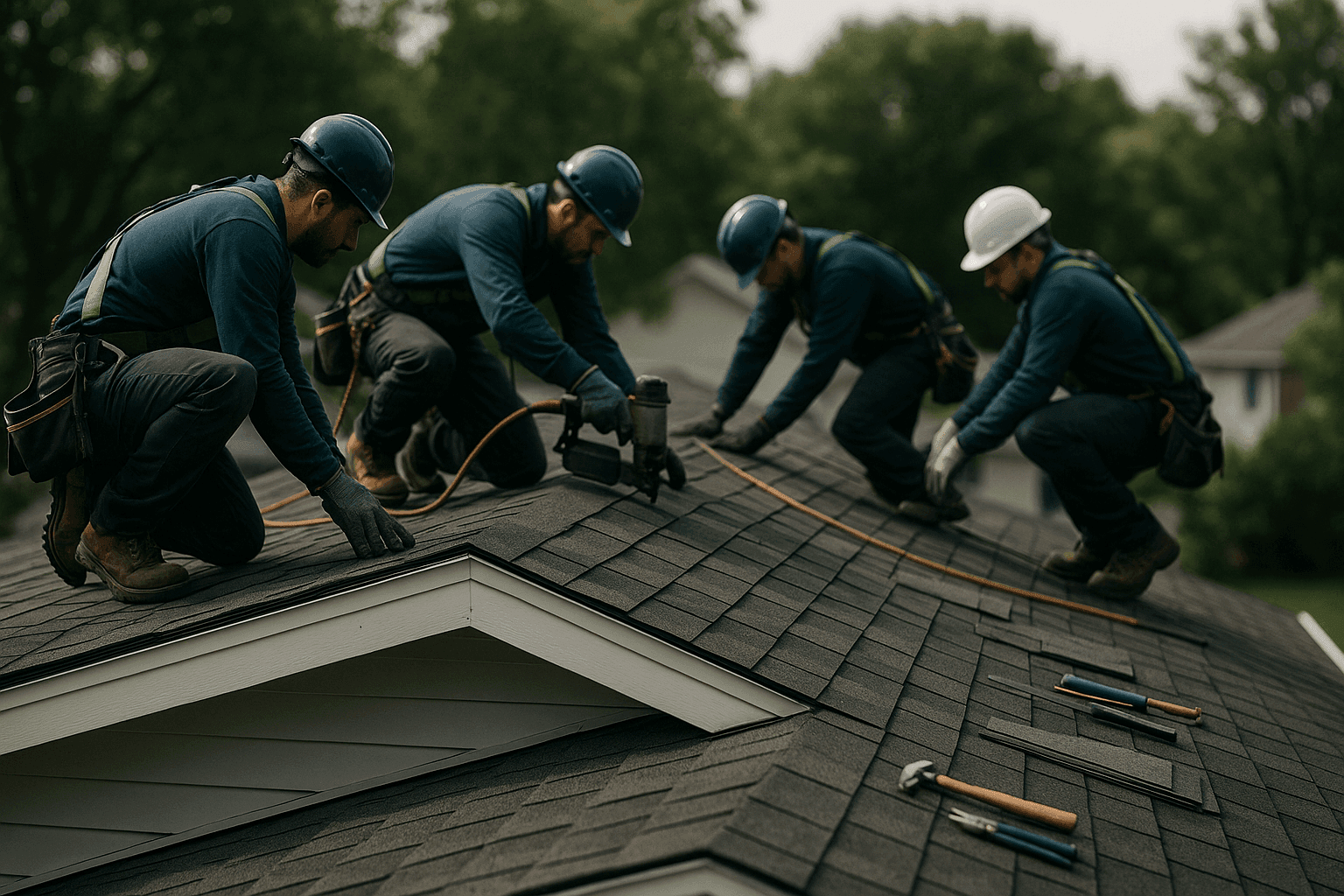
Replacing your roof isn’t just a weekend project. It’s a big move that protects your home and your family. If you’re like most homeowners, you’ve got questions. How much will it cost? What’s included? And what surprises might pop up along the way?
At Vesley Roofing, we handle emergency roofing calls day and night—but we also know most homeowners want to plan ahead and avoid surprises. This guide breaks down the real numbers, the choices, and the “gotchas” of roof replacement. No fluff. Just what you need to know before the first shingle comes off.
What Determines Roof Replacement Cost? 🏡
Imagine a roof like a custom suit. The price depends on the size, the fabric, the details, and the tailor’s skill. Roof replacement works the same way. Here’s what actually goes into the final number:
- Roof Size & Complexity: A simple ranch roof costs less than a steep, multi-story one with lots of valleys and dormers.
- Pitch (Slope): Steeper roofs mean more safety gear, more time, and higher labor costs.
- Material Selection: Shingle Roofing near you? Metal? Tile? Each material has its own price tag and installation needs.
- Labor: Skilled, insured crews are worth every penny. Labor costs are often 40–60% of your total.
- Preparation Work: Does the old roof need to be torn off or can new layers go on top? Tear-offs add cost, but are sometimes required by local building codes.
- Extras: Think insulation upgrades, new flashing, gutters, or ventilation improvements.
- Disposal Fees: Removing and hauling away old shingles or decking isn’t free.
- Permits & Inspections: Required by most towns, and fees can vary.
According to the National Roofing Contractors Association (NRCA), these factors can swing your total cost anywhere from a few thousand dollars for a modest asphalt job to tens of thousands for specialty materials or large homes.
Material Choices: Shingles, Metal, Tile & More
The roof is your home’s helmet. But not all helmets are built the same—or priced the same. Here’s a breakdown of what you might pick, and why:
Asphalt Shingles
- Pros: Affordable, quick to install, widely available.
- Cons: Shorter lifespan (15–30 years), can be damaged by hail or high winds.
- Typical Cost: Lowest upfront, most common for residential roofing.
Metal Roofing
- Pros: Long life (40–70 years), energy efficient, fire resistant.
- Cons: Higher upfront cost, noise during rain if not insulated.
- Typical Cost: 2–3 times more than shingles, but may save on long-term repairs.
Tile Roofing
- Pros: Beautiful, durable, fireproof.
- Cons: Heavy (may require structural reinforcement), expensive, can crack under impact.
- Typical Cost: High upfront, but extremely long lifespan.
Flat & Low-Slope Options
- Materials: Modified bitumen, TPO, EPDM rubber.
- Pros: Suited for modern homes and additions.
- Cons: Prone to leaks if not properly installed or maintained.
Pro tip: Always check with your local building code office or the International Building Code (IBC) for approved materials in your area.
Labor, Disposal, and Hidden Expenses Explained 💡
Labor is the heartbeat of any roofing job. A well-trained crew doesn’t just install shingles—they spot trouble, keep things safe, and work efficiently.
But here’s what often catches homeowners off guard:
- Decking Repairs: If the wood under your shingles is rotten or damaged, it must be replaced. This isn’t always clear until the old roof comes off.
- Ventilation Upgrades: Proper attic ventilation is key for roof life and energy bills. Sometimes, upgrades are required to meet code.
- Flashing & Chimney Work: Old or damaged flashing around chimneys, skylights, or valleys can drive up costs.
- Weather Delays: Rain, wind, or storms can slow the job and add temporary protection costs.
- Permit Fees & Inspections: These are non-negotiable in most towns.
Always ask your contractor for a detailed breakdown—including what’s known and what’s “if needed.” No one likes budget surprises.
How to Budget for Your New Roof
Replacing your roof is a lot like saving for a big trip. You want to plan for the expected—and have a cushion for the unexpected.
- Get Multiple Estimates: Prices can vary. Ask for itemized quotes so you can compare apples to apples.
- Ask About Payment Schedules: Most contractors require a deposit, with the rest due at milestones or completion.
- Explore Financing: Some homeowners use home equity loans, lines of credit, or special roof financing plans. Read the fine print.
- Build in a 10–15% Buffer: For hidden decking damage or weather delays.
- Check Insurance: For storm or emergency roofing needs, review your homeowner’s policy. Some damage may be covered if caused by wind, hail, or falling trees.
Don’t be afraid to ask questions. A reputable roofing company should be able to explain every dollar.
Signs It’s Time to Replace Versus Repair 🔍
Not every leak means it’s time to replace your roof. Sometimes a small repair will do. Other times, a replacement is the safest, most cost-effective choice.
Consider replacement if:
- Your roof is over 20 years old and showing widespread wear.
- Shingles are curled, cracked, or missing in large patches.
- You see daylight through the attic boards.
- Multiple leaks keep coming back, even after patching.
- You’re experiencing insulation or ventilation problems due to age or prior improper installations.
Repairs may be enough if:
- There’s a single, isolated leak.
- Only a few shingles are missing or damaged.
- Flashing or vent boots are the only issue.
When in doubt, get a professional inspection. Most states recommend inspections after major storms or every few years for older roofs.
Practical Tips for Homeowners
- Stay informed: Read your contract thoroughly before work starts.
- Protect your property: Move cars, patio furniture, and fragile landscaping before the crew arrives.
- Communicate: Set expectations about start times, noise, and cleanup.
And remember, no one can control the weather or what’s hiding under your old shingles. But with the right questions and a little preparation, you can avoid most headaches.
Frequently Asked Questions
How long does a roof replacement take?
Most residential roof replacements take 1–3 days for shingle roofs, possibly longer for metal or tile. Weather, roof size, and complexity are big factors.
Do I need to move out during the project?
Usually not. Expect noise and some vibration, but most homeowners can stay put.
Is roof replacement covered by insurance?
Only if damage is caused by a covered event like hail, wind, or falling trees. Age and normal wear are not covered. Check with your insurance agent for specifics.
Can I layer new shingles over old ones?
Sometimes, but not always. Building codes often limit the number of layers. Full tear-off is best for long-term results—especially if there’s underlying damage or moisture.
Final Thoughts: Start Smart, Finish Strong
A new roof is a big investment—one that protects your home, boosts value, and brings peace of mind. Whether you’re facing emergency roofing after a storm or planning an upgrade, understanding the real costs and steps makes the journey smoother.
Call Vesley Roofing now — or reach us anytime at 844-460-8487 .