How to Prepare Your Roof for Severe Weather: A Homeowner’s Guide
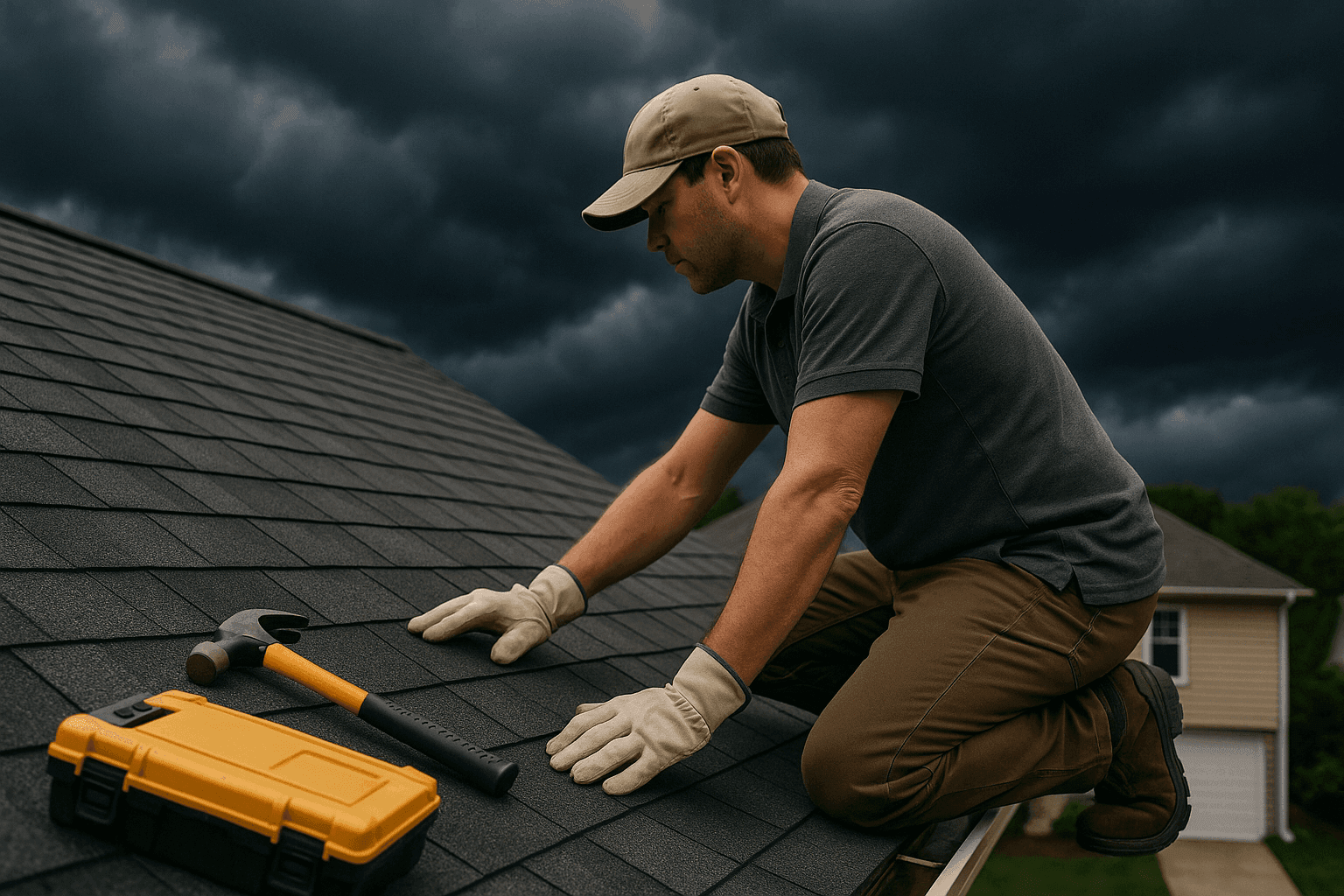
When the sky turns dark and the wind picks up, your roof becomes the frontline defense for everything you care about. Those pounding raindrops and howling gusts are more than just noise—they’re a real test. At Vesley Roofing, we know how quickly a peaceful evening can turn into a scramble for buckets and flashlights.
This guide is for homeowners and small business owners who want to stay a step ahead of the storm. With decades handling emergency roofing, we’ve seen what works—and what can go wrong. Let’s get your roof ready, so you can rest easy, no matter what the weather throws your way.
Why Preparing Your Roof Matters
Imagine your roof as a helmet for your home. It takes the hits so your family, employees, and belongings stay safe and dry. But helmets crack if you don’t check them for weak spots. Severe weather—like heavy rain, hail, and high winds—can turn small problems into big headaches fast.
A missing shingle or loose gutter might not seem urgent on a sunny day. But in a storm, water sneaks in, insulation gets soaked, and damage spreads. The cost? Sometimes it’s just a repair. Other times, it’s a whole new roof. Preparation is your best defense.
Quick Safety Checklist Before Severe Weather Hits 🛑
Ready to roll up your sleeves? Here’s what to check before the next storm rolls in:
- Inspect shingles and tiles: Look for cracks, curling, or missing pieces.
- Check gutters and downspouts: Make sure they’re clear of leaves and debris so water flows away from your foundation.
- Examine flashing: Pay close attention to areas around chimneys, skylights, and vents—these are common leak points.
- Test attic ventilation: Poor airflow can trap moisture and lead to mold or rot.
- Look for sagging: Any dips or uneven spots could signal structural problems.
- Trim nearby trees: Overhanging branches can scrape or puncture your roof in high winds.
- Secure loose items: Patio furniture and grills can become airborne hazards.
- Check insulation: Wet or compressed insulation loses its ability to protect against temperature swings and moisture.
- Sealant and coating touch-up: Reapply as needed to prevent leaks.
If you spot anything suspicious, snap a photo. You’ll want a record if you need to call in the pros.
DIY or Call a Pro? Knowing Your Limits
Some roof prep is safe for most homeowners—clearing gutters, looking for loose shingles from the ground, trimming low branches. But climbing up on a steep or high roof? That’s risky.
DIY Tasks:
- Cleaning gutters with a stable ladder
- Visual inspections from the ground or through windows
- Checking attic for leaks or mold
Call a Pro For:
- Walking on steep, wet, or damaged roofs
- Repairing flashing, shingles, or tiles
- Sealing and coating applications
- Inspecting for hidden structural issues
Remember, slips happen in a split second. According to the Occupational Safety and Health Administration (OSHA), falls are a leading cause of home injuries. Don’t take chances—if you’re unsure, call Vesley Roofing.
What Pros Do On Arrival
When you call for emergency roofing or a seasonal checkup, here’s what happens next:
- Thorough Inspection: We look at every layer—shingles, flashing, gutters, attic, and even decking.
- Identify Weak Points: Vulnerable areas like roof valleys, skylights, and chimney flashing get special attention.
- Moisture Testing: Using moisture meters, we spot hidden leaks or trapped water.
- Ventilation & Insulation Check: We ensure airflow is adequate and insulation is dry and effective.
- Immediate Repairs: Quick fixes—like sealing leaks or securing loose shingles—can buy time before a bigger storm.
- Clear Communication: We’ll show you photos, explain what we found, and lay out your options.
Our team follows all relevant building codes and safety guidelines, including recommendations from the International Code Council (ICC) and National Roofing Contractors Association (NRCA).
Prevention & Maintenance: Your Roof’s Best Friends
Think of roof care like brushing your teeth. Skip it, and little problems turn into big ones. Here’s how to keep your roof storm-ready year-round:
Seasonal Roof Inspections
- Spring: Check for winter damage—ice dams, missing shingles, or cracked tiles.
- Summer: Clean gutters and look for UV damage or blistering.
- Fall: Remove leaves and debris, trim trees, and inspect before heavy rain.
- Winter: Watch for ice buildup and check attic insulation.
Preventative Maintenance Tips
- Sealants and Coatings: Apply to vulnerable areas to block water intrusion.
- Gutter Cleaning: At least twice a year, or after storms.
- Downspout Installation & Repair: Ensure water flows far from your foundation.
- Flashing Repair: Secure loose or damaged flashing around chimneys, skylights, and vents.
- Eco-Friendly Options: Consider cool roof coatings or recycled materials for better durability and energy savings.
Insulation & Ventilation
Proper attic insulation and ventilation keep your roof dry and energy bills low. Moisture buildup in the attic can rot decking and promote mold. Make sure vents are open and insulation is fluffy—not soggy or compressed.
Costs & Time Factors
Roof work isn’t one-size-fits-all. Here’s what to expect:
- Minor Repairs: Fixing a few shingles or resealing flashing can take a couple of hours.
- Gutter Cleaning or Repair: Usually done in half a day.
- Full Inspections: Often completed in a day, with a detailed report.
- Major Repairs or Replacement: Can take several days, depending on roof size and complexity.
Costs vary by materials, roof pitch, and the extent of damage. Emergency roofing services may cost more due to urgency and after-hours response. It’s smart to budget for regular maintenance—prevention is almost always cheaper than repair.
When It’s an Emergency
Some problems can’t wait. If you notice any of these signs, call Vesley Roofing right away:
- Water pouring through the ceiling or walls
- Large sections of missing shingles or tiles after a storm
- Sagging roof deck or visible structural damage
- Chimney flashing pulled away or missing
- Skylight or vent leaks during heavy rain
Quick action can limit damage and save money. If it’s safe, move valuables away from leaks and cover the area with plastic sheeting until help arrives.
Frequently Asked Questions
How often should I have my roof inspected?
Most roofs should be inspected at least once a year, plus after any major storm. Regular checks catch small issues before they become emergencies.
What’s the biggest cause of storm damage to roofs?
Wind and flying debris are the main culprits. They can rip off shingles, damage gutters, and break flashing loose. Clogged gutters can also cause water to back up under shingles.
Can I use tarps for emergency leaks?
Yes, temporarily. A heavy-duty tarp can keep water out until repairs are made. Secure it with wood strips and nails, but avoid walking on a wet or damaged roof yourself.
How do I know if my attic ventilation is working?
Check for even temperatures and no musty smells. In winter, look for frost on nails or rafters—these are signs of poor airflow. A professional can assess and improve ventilation if needed.
Special Considerations for Roof Preparation
- Flat Roofs: Drainage is critical. Make sure scuppers and drains are clear before storms.
- Metal Roofing: Check for loose fasteners and rust. Metal roofs shed water well but need secure seams.
- Tile Roofing: Tiles can crack under falling branches or hail. Replace damaged tiles promptly.
- Skylights & Chimneys: These are leak magnets. Inspect seals and flashing regularly.
- Commercial Roofs: Larger surface areas mean more potential entry points for water. Schedule regular inspections and maintenance.
No matter what type of roof you have—shingle, tile, metal, or flat—preparation is key. A little time now can save a lot of stress later.
When the clouds gather, be ready. Vesley Roofing is here for emergency roofing, inspections, repairs, and everything in between.
Call Vesley Roofing now — or reach us anytime at 844-460-8487 .