Metal Roofing for Homes: Is It Worth the Investment?
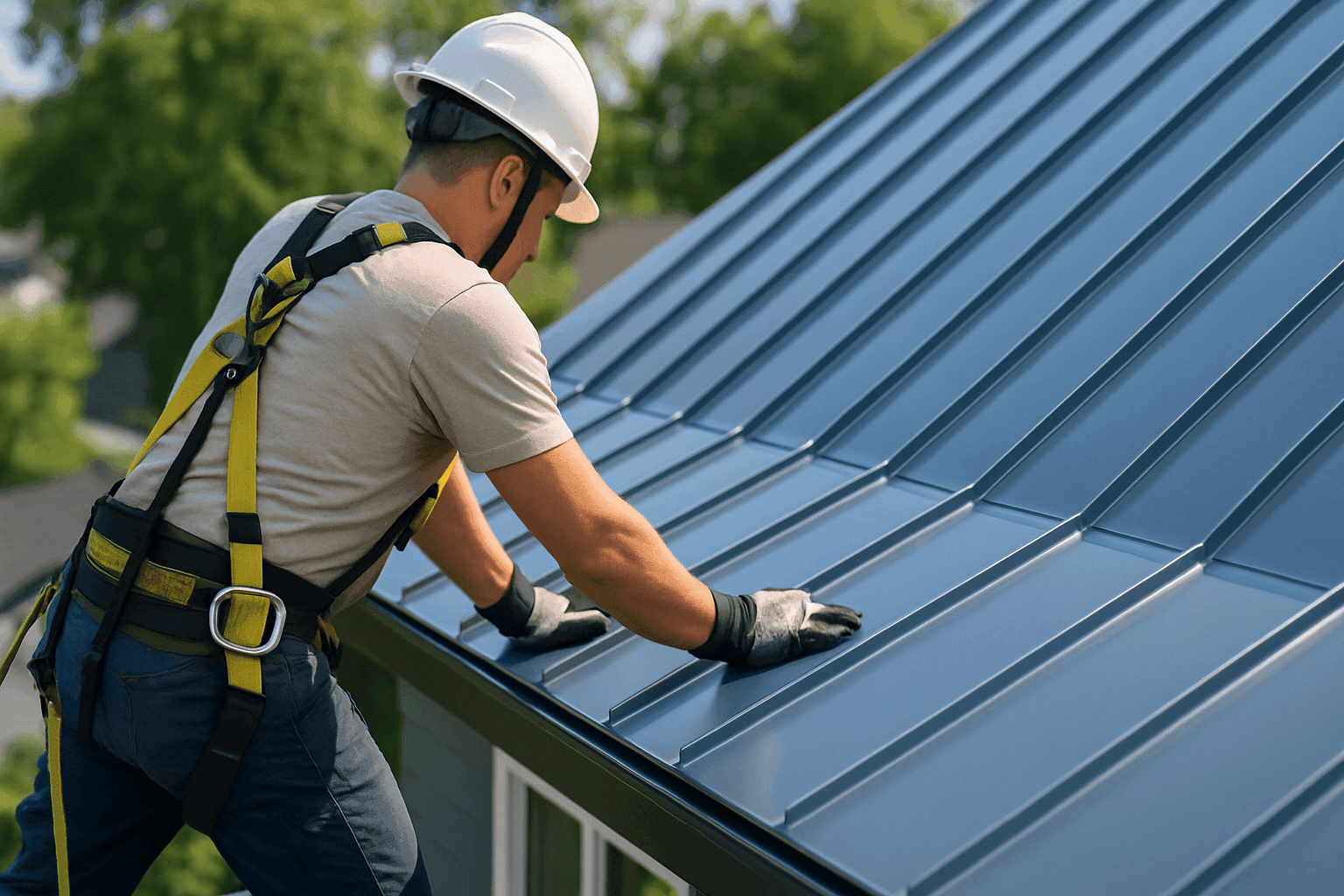
When you picture a roof, do you see classic shingles or something sleeker, more modern—like a metal roof glinting in the sun? Metal roofing has become a buzzword for homeowners looking for lasting protection, especially in a world where storms, leaks, and emergency roofing needs are all too common. At Vesley Roofing, we’ve seen metal roofs weather everything from baking summers to howling winter storms.
But is metal roofing really the best fit for your home? Or is it just another trend? Let’s get practical and break down exactly what you need to know.
What Is Metal Roofing? 🏠
Metal roofing isn’t just for barns or fancy architect-designed houses. Today, it’s a leading choice for residential roofing—available in several styles and finishes that can match almost any home.
Main types of metal roofing you’ll see:
- Standing seam: Long, vertical panels with raised seams that snap together. Clean lines. Minimalist look. Very popular for modern homes.
- Corrugated panels: Those familiar wavy sheets, now available in colors and finishes that blend with neighborhoods.
- Metal shingles and tiles: Mimic the look of traditional asphalt shingles or even clay tile, but offer metal’s advantages.
Common materials:
- Steel (galvanized or galvalume)
- Aluminum (great for coastal areas)
- Copper (luxury, ages beautifully)
- Zinc (less common, very durable)
Finishes: From classic matte to vibrant colors and even stone-coated options, metal can blend in or stand out on your block.
Pros and Cons for Homeowners
Let’s lay it out honestly—metal roofing isn’t perfect for everyone. Here’s what to expect:
Pros
- Durability: Metal roofs can last 40–70 years, sometimes more. That’s two or three times longer than most shingles.
- Weather resistance: Metal sheds rain, snow, and ice like a duck’s back. It’s fire-resistant and tough against wind.
- Energy efficiency: Reflects sunlight, keeping your attic cooler in the summer. That means lower AC bills.
- Low maintenance: No need for frequent repairs or cleaning. Occasional preventative maintenance near you can keep it in great shape.
- Eco-friendly: Many metal roofs contain recycled material and can be recycled again at end of life.
- Lightweight: Puts less strain on your home’s structure.
Cons
- Cost: Upfront investment is higher than standard shingles.
- Noise: Rain on metal can be loud (though proper insulation helps).
- Denting: Hail or falling branches can dent some metal roofs, depending on material.
- Installation: Needs skilled installers—mistakes can mean leaks or noise.
- Color fade: Some finishes can lose their vibrancy over decades.
Metal Roof vs. Shingles
You might wonder, “Why not just stick with what I know?” Here’s how metal stacks up against traditional asphalt shingles:
- Lifespan: Shingles usually last 15–25 years. Metal can more than double that.
- Maintenance: Shingles can crack, curl, or shed granules. Metal usually just needs an annual inspection.
- Storm performance: Metal holds up better in wind, heavy rain, and snow. That’s a big deal in areas with severe weather or frequent emergency roofing calls.
- Fire safety: Metal doesn’t ignite. Shingles can.
- Weight: Metal is lighter, so it’s easier on older or structurally sensitive homes.
- Curb appeal: Metal is bold—some love it, others prefer the traditional look of shingles.
Cost and Longevity
Let’s talk numbers. Metal roofing costs more up front—sometimes two to three times as much as a basic shingle roof. But that’s not the whole story.
Lifetime Cost Analysis
- Shingles: Lower initial price, but you’ll probably replace them 2–3 times in a home’s lifetime. Add in repairs after storms and regular maintenance.
- Metal: Higher up-front cost, but can last 40–70 years with minimal repairs. Some Vesley Roofing installations from decades ago are still going strong.
Energy savings: A metal roof can reduce summer cooling bills by 10–25%, according to the U.S. Department of Energy. Over time, that adds up.
Insurance: Some insurers offer discounts for metal roofs due to their fire and wind resistance.
Styles and Price Range
- Standing seam: Most expensive, but longest lifespan and best protection.
- Corrugated panels: More budget-friendly, still durable.
- Metal shingles/tiles: Middle ground—blends in with traditional neighborhoods.
Remember: Quality installation matters more than style. A poorly installed metal roof will cause headaches, leaks, and frustration.
Is Metal Roofing Right for You? 🤔
It depends on your priorities, climate, and budget. Here’s how to decide:
Climate Considerations
- Storm-prone areas: Metal is a smart bet for hurricane, hail, or wildfire zones.
- Coastal homes: Aluminum resists salty air corrosion.
- Snowy climates: Metal’s smooth surface sheds snow quickly, preventing ice dams.
Your Home
- Age: Older homes may benefit from metal’s lightweight properties.
- Resale value: Metal can boost curb appeal and resale value, especially in modern markets.
Your Lifestyle
- Long-term plans: Planning to stay put? The investment pays off. Moving soon? Weigh the curb appeal factor.
- Noise sensitivity: If you love the sound of rain, great. If not, ask about extra insulation.
Vesley Roofing’s Experience
At Vesley Roofing, we’ve installed, inspected, and repaired metal roofs on every kind of home. Our team follows International Building Code (IBC) and local code requirements—no shortcuts.
We offer a range of metal roofing solutions, with manufacturer-backed warranties available. We’ll walk you through every option and help you choose what’s best for your situation.
Metal Roofing Styles Compared
Let’s break down the most common residential metal roof styles:
Standing Seam
- Sleek, vertical lines
- Hidden fasteners—less risk of leaks
- Top choice for modern or high-end homes
Corrugated Metal
- Wavy or ribbed look
- Exposed fasteners—faster install, but requires more maintenance
- Great for rustic, farmhouse, or contemporary styles
Metal Shingles & Tiles
- Mimic wood, slate, or asphalt
- Blend with classic neighborhoods
- Interlocking panels boost wind resistance
Each style offers unique benefits—and Vesley Roofing can help you match the right type to your home’s look and needs.
Durability and Emergency Roofing
Metal roofs shine when the weather turns nasty. We’ve seen them shrug off hail, driving rain, and high winds that leave shingle roofs in tatters. That’s why many homeowners call us for emergency roofing after a storm, only to ask about upgrading to metal.
Pro tip: Even the toughest roof needs regular inspections. Schedule preventative maintenance near you after major weather events.
Energy Efficiency: Cool in Summer, Cozy in Winter
Think of your metal roof as a sunshade for your whole house. The reflective surface bounces off solar heat, keeping your attic—and your AC bills—lower. Some systems even have special coatings that boost reflectivity.
And in winter? When paired with quality insulation (which Vesley Roofing can install), metal helps lock in warmth. Good attic ventilation is key to prevent condensation and ice dams.
Lifetime Cost Analysis
Let’s look at the big picture:
- 40-year span:
- Shingle roof: 2–3 replacements + repairs + energy loss
- Metal roof: 1 installation + minor maintenance + energy savings
For many, the math justifies the higher up-front spend.
Practical Tips for Homeowners
- Ask about underlayment: Quality underlayment reduces noise and boosts weather protection.
- Ventilation matters: Proper attic ventilation prevents condensation and extends roof life.
- Don’t skip inspections: Even metal roofs need periodic checks, especially after storms.
- Work with pros: Proper installation is everything. DIY jobs often lead to leaks or code issues.
Refer to local building codes and the Metal Construction Association’s guidelines for best practices.
FAQs
Will a metal roof make my house hotter?
No—metal actually reflects sunlight, keeping your attic cooler in the summer.
Are metal roofs noisy in rain?
With proper insulation and attic space, noise is minimal—often quieter than you’d expect.
Can metal roofing go over my existing shingles?
Sometimes, yes. It depends on your home’s structure and local code. Vesley Roofing will inspect and advise.
What about rust?
Modern metal roofs (steel, aluminum, copper) have protective coatings. With regular maintenance, rust is rarely an issue.
Local and Seasonal Considerations
Metal roofs are a smart choice in regions hit by hail, hurricanes, or wildfires. In snowy climates, they shed snow fast, reducing risk of leaks or structural stress. In coastal areas, aluminum is often best to resist salt air.
Vesley Roofing works year-round, adapting installations for summer heat, winter cold, or storm seasons. We’re always ready for emergency roofing needs, no matter the weather.
Ready to see if metal roofing is right for your home? Call Vesley Roofing now — or reach us anytime at 844-460-8487 .