Flat Roofs for Homes: Pros, Cons & Best Maintenance Tips
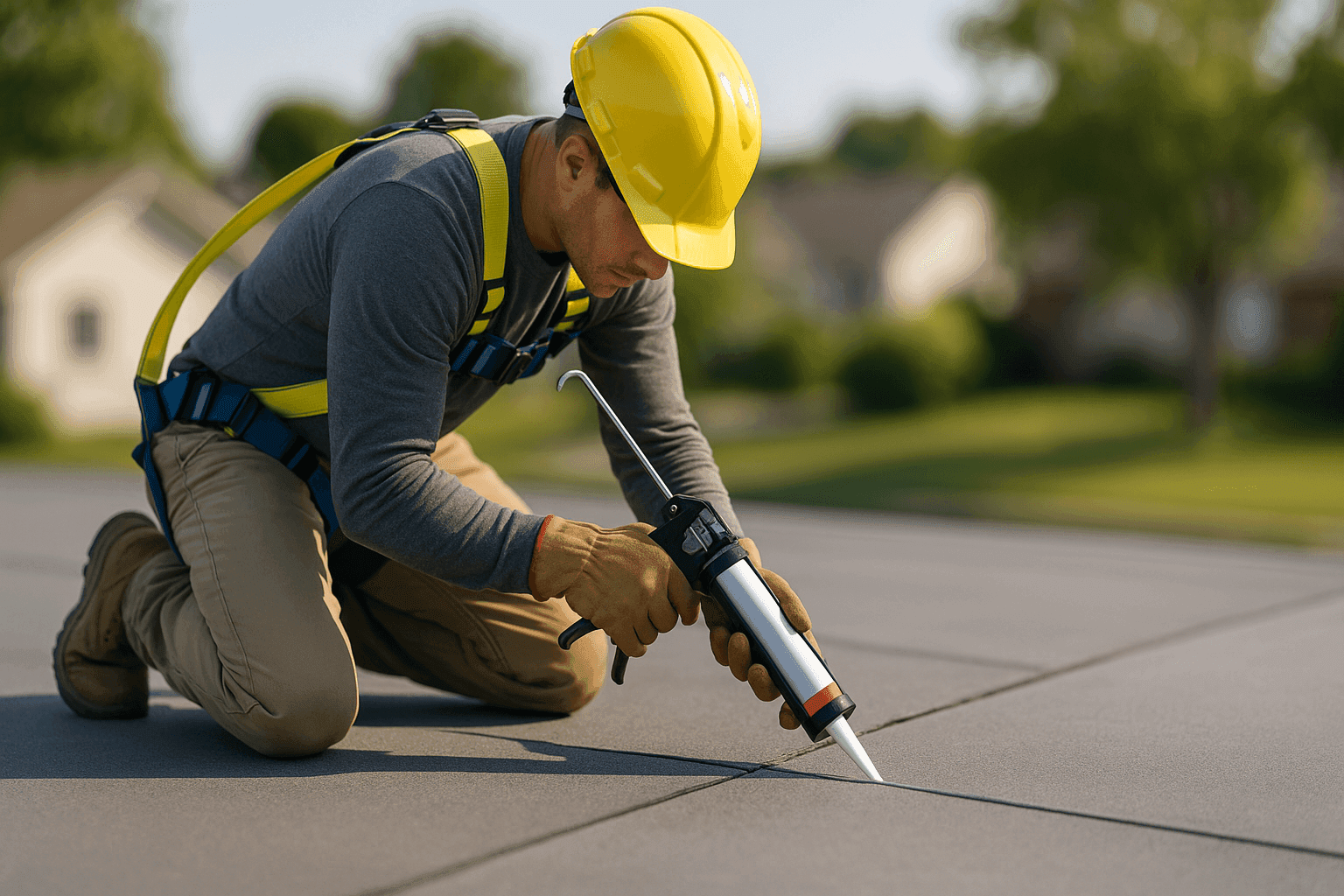
Flat roofs catch the eye. They’re modern, practical, and can make any home stand out on the block. But, like a quiet pond after a storm, they hold secrets—and sometimes, water.
At Vesley Roofing, we’ve seen every flat roof curveball. From sudden leaks in the night to the slow, stubborn drip after a storm. Homeowners across the country call us for emergency roofing, Preventative Maintenance near you, and everything in between. Here’s what you should know before you go flat.
What Is a Flat Roof? 🏠
A flat roof isn’t perfectly flat—think pancake, not tabletop. These roofs have a slight slope (usually about 1/4 inch per foot) to help water flow toward drains or gutters.
Flat roofs have been used on homes for decades, especially in dry climates. You’ll spot them on mid-century modern houses, urban townhomes, and eco-friendly designs that want rooftop gardens or solar panels.
Flat vs. Pitched Roofs
Think of a pitched roof like a tent—rain and snow slide off easily. Flat roofs, on the other hand, are like a patio umbrella: they can collect things if not cared for. Here’s a quick comparison:
- Flat Roofs: More usable space, modern looks, easier for solar or rooftop decks. But require strict maintenance to avoid standing water and leaks.
- Pitched Roofs: Better for rain or snow, classic appearance, less prone to water pooling. Maintenance is still needed, but gravity helps more.
Your choice depends on style, climate, and how much time you want to spend on upkeep.
Flat Roof Advantages and Drawbacks
Flat roofs bring unique perks—and a few headaches.
Advantages
- Extra Living Space: Perfect for a patio, garden, or even a small green roof.
- Modern Curb Appeal: Clean lines, sleek profile, and tons of architectural freedom.
- Easier Access: Safer and simpler to inspect, repair, or clean.
- Cost-Efficient for Small Homes: Typically, they use less material and can be faster to install.
Drawbacks
- Water Pooling: Even a small dip can collect water. That’s a recipe for leaks if ignored.
- Limited Lifespan: Flat roof materials often need replacing sooner than pitched ones—especially in harsh weather.
- Insulation Needs: Heat and cold move through a flat roof faster. You’ll want quality insulation to keep your house comfortable year-round.
- Maintenance Required: Flat roofs need regular checkups—more than their pitched cousins.
Key Maintenance Tips for Flat Roofs
A flat roof is like a garden: ignore it, and problems sprout fast. Here’s how to prevent costly repairs:
1. Inspect After Every Storm
Walk the roof (if safe) or use binoculars from the ground. Look for:
- Pools of water
- Cracked or missing sealant
- Tears or blisters in the roofing membrane
- Debris blocking drains or gutters
2. Clean Gutters and Drains
Leaves, twigs, and dirt can clog drainage, leading to standing water. Clean gutters and downspouts at least twice a year—or more if you have overhanging trees.
3. Check Flashing and Seams
Flashing is the metal or rubber barrier at the edges and around vents, skylights, and chimneys. It’s a common leak source. Make sure it’s tight and sealed.
4. Watch for Ponding
Ponding is water that sticks around more than 48 hours after rain. If you see it, call for an inspection. Long-term ponding can weaken the roof and invite leaks.
5. Trim Overhanging Branches
Falling limbs can puncture the roof or dump extra debris. Keep trees trimmed back.
6. Schedule Professional Inspections
Get a pro to check your roof each year, preferably before and after storm season. Vesley Roofing offers inspections and Preventative Maintenance near you—just ask.
Common Flat Roof Issues
Flat roofs are tough, but not invincible. Here’s what we see most often:
- Leaks: Water finds the smallest gaps. Leaks usually start near seams, flashing, or low spots.
- Blistering: Heat causes air or moisture to get trapped under roofing material, creating bubbles or blisters.
- Cracks: Sun and weather stress can crack membranes or coatings.
- Moss and Algae: Flat roofs in shady or damp areas can grow moss, which holds moisture against the surface.
- Membrane Shrinkage: Some materials shrink over time, pulling away from edges and creating openings.
Addressing these issues quickly is key to avoiding expensive repairs. If you spot any, reach out for emergency roofing or repair services.
Flat Roof Materials: Options for Every Climate
Not all flat roofs are created equal. Materials matter.
Popular Choices
- Modified Bitumen: Asphalt-based, layered, and flexible. Good for moderate climates. Needs periodic resealing.
- EPDM Rubber: Durable and UV-resistant. Works well in hot or cold weather, but vulnerable to punctures.
- TPO and PVC: Lightweight, reflective, and energy-efficient. Great for reducing summer cooling costs.
- Built-Up Roofing (BUR): Multiple layers of asphalt and fabric. Heavy but durable. Often used in commercial settings.
- Spray Foam or Coatings: Seamless, good for odd shapes or quick fixes. Adds insulation.
Insulation Needs
Flat roofs lose heat faster than pitched ones. In cold climates, add rigid foam boards or spray foam under the membrane. In hot climates, choose light-colored or reflective materials to bounce away solar heat. Proper insulation keeps your energy bills in check and helps your roof last longer.
For detailed requirements, review the International Residential Code (IRC) Section R905 and consult local building codes.
How Flat Roofs Handle Storms and Snow
Flat roofs can handle storms—if they’re built and maintained right. But heavy rain, snow, or hail can test their limits.
- Rain: Ensure drains and gutters are clear. Pooling water is the #1 enemy.
- Snow: Flat roofs can support snow, but deep piles should be removed to avoid stress and leaks.
- Wind: Secure loose flashing and check after every big wind event.
- Hail: Inspect for dents or punctures—especially after severe hailstorms.
Vesley Roofing offers storm damage restoration and emergency roofing services nationwide, so you’re covered when weather strikes.
Comparing Flat and Pitched Roofs for Residential Homes
Still on the fence? Here’s a side-by-side look.
Flat Roofs
- Modern appeal and extra space.
- Easier access for maintenance.
- Need frequent checkups to prevent leaks.
- May require advanced insulation.
Pitched Roofs
- Classic style, fits most neighborhoods.
- Water and snow run off naturally.
- Lower risk of leaks, but harder to access for repairs.
- Usually more attic space for insulation.
If you want a rooftop patio or a modern look, a flat roof makes sense. If you prefer less hands-on maintenance and classic lines, a pitched roof might suit you better.
Flat Roof Maintenance Routine: Step-by-Step
A good maintenance schedule can double your flat roof’s life. Here’s a simple routine:
- Visual Check: Monthly, and always after storms.
- Clear Debris: Remove leaves, branches, and dirt.
- Gutter Cleaning: At least twice a year.
- Check for Ponding: After every heavy rain.
- Inspect Flashing: Every 6 months.
- Professional Inspection: Once a year.
Keep a log of each inspection. It’ll help spot patterns and catch small issues early.
Emergency Roofing for Flat Roofs
Sometimes, water finds its way through—fast. If you suddenly see a drip, bulge, or stain on your ceiling, act quickly:
- Move valuables away from the leak.
- Place buckets or towels to catch water.
- Avoid walking on a wet, slippery roof.
- Call Vesley Roofing for emergency roofing. We’re available 24/7 for urgent repairs.
Remember, a small leak can turn into major damage if ignored.
Flat Roof FAQ
How long does a flat roof last?
Most flat roofs last 15–25 years with good care. The exact lifespan depends on the material, climate, and maintenance.
Are flat roofs energy-efficient?
They can be. Add insulation and choose light-colored or reflective materials for best results, especially in hot climates.
Can I walk on my flat roof?
Occasional light foot traffic for inspections or maintenance is fine—but avoid heavy use unless the roof is designed as a deck.
What should I do if water is pooling?
If you see standing water that doesn’t drain in 48 hours, call for a professional inspection. Pooling can lead to leaks and structural issues.
Local and Seasonal Considerations
- Northern Climates: Watch out for ice dams and heavy snow. Insulation and drainage are critical.
- Southern/Dry Climates: Sun and heat can crack membranes. Inspect for UV damage and reseal as needed.
- Coastal Areas: Salt and moisture can speed up wear. Use corrosion-resistant materials and check flashing often.
No matter where you live, regular Preventative Maintenance near you will keep your flat roof reliable season after season.
Ready to see if a flat roof is right for your home—or need urgent repairs? Call Vesley Roofing now — or reach us anytime at 844-460-8487 .