How to Choose the Right Roof Ventilation System for Your Home
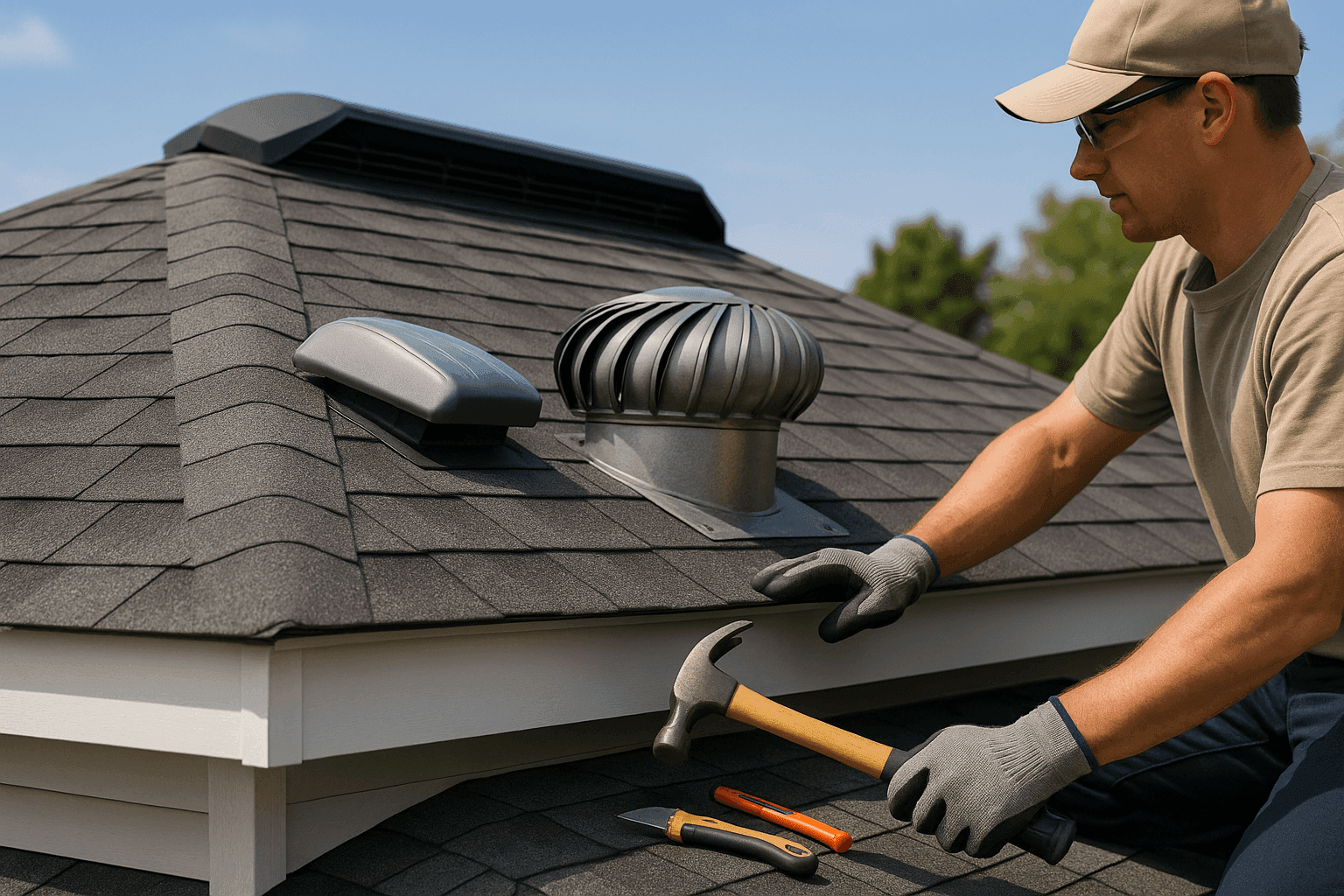
Is your attic stuffy and hot in summer, but damp and chilly in winter? You’re not alone. Many homeowners and small business owners face the hidden challenge of poor roof ventilation. It creeps up quietly—until you notice peeling paint, musty odors, or even a spike in your energy bills.
At Vesley Roofing, we’ve seen firsthand how the right ventilation system can transform a home. Not just for comfort, but for the health of your roof and wallet. Let’s break down what you need to know to make a smart choice.
Why Roof Ventilation Matters
Imagine your attic as the lungs of your house. Without fresh air coming in and stale air going out, moisture builds up. This leads to mold, warped wood, and insulation that’s as useful as a wet blanket. Over time, your roof can buckle under the pressure—literally.
Proper ventilation helps:
- Prevent moisture buildup and mold
- Lower attic temperatures, reducing cooling costs
- Extend the life of your shingles and roof deck
- Improve indoor air quality
The International Residential Code (IRC) and National Roofing Contractors Association (NRCA) both highlight the importance of balanced attic ventilation. It’s not just a “nice-to-have”—it’s a must for roof health.
Types of Roof Ventilation Systems 🌀
Every roof is different. The best system for your home or business depends on its shape, size, and how it’s used.
Ridge Vents
These run along the peak of your roof. Ridge vents let hot air escape evenly, like steam rising from a kettle. They’re almost invisible from the street and work best when paired with soffit vents.
Soffit Vents
Installed under the eaves, soffit vents pull in fresh air from outside. Think of them as the intake valves for your attic’s airflow system.
Turbine Vents
Also known as “whirlybirds,” these spin with the breeze, actively sucking hot air out of the attic. They’re effective for larger spaces but can be noisy in strong winds.
Gable Vents
Mounted on the ends of your attic, gable vents allow cross-ventilation. They’re simple but may not be enough for complex roof shapes.
Powered Attic Fans
These use electricity to force air movement. While powerful, they must be installed carefully to avoid pulling conditioned air from your living space.
How to Assess Your Current Ventilation
Before you choose a new system, it’s smart to check what you already have. Here’s how:
- Look in the attic. Is it hot and stuffy in summer? Damp or frosty in winter?
- Check for visible vents. Are there ridge, soffit, or gable vents? Are they blocked by insulation or debris?
- Inspect for trouble signs. Mold, rusted nails, or warped wood point to poor airflow.
- Count your vents. Building codes often recommend 1 square foot of ventilation per 300 square feet of attic space (split evenly between intake and exhaust).
If you’re unsure, a professional inspection can give you a clear answer.
Signs of Poor Roof Ventilation
Don’t wait for a disaster. Watch for these red flags:
- Ice dams forming along the roof edge in winter
- High energy bills despite insulation
- Peeling paint or wallpaper indoors
- Musty smells in the attic or upper floors
- Mold or mildew on rafters and insulation
- Shingles curling or buckling
If you spot any of these, your roof may need urgent attention—sometimes even emergency roofing services.
Quick Safety Checklist Before You Start 🔍
- Always use a sturdy ladder and have someone nearby.
- Wear gloves, a dust mask, and eye protection in the attic.
- Turn off attic fans before inspecting.
- Watch for exposed nails, electrical wiring, or animal nests.
- Don’t block vents with insulation or storage boxes.
- If you see mold or extensive water damage, stop and call a professional.
DIY vs. Call a Pro
Some maintenance tasks—like clearing blocked soffit vents or removing debris—are safe for handy homeowners. But installing or upgrading ventilation? That’s where things get tricky.
When DIY Makes Sense
- Cleaning out visible vents
- Checking for obvious blockages
- Spotting signs of condensation or mold
When to Call Vesley Roofing
- Installing new ridge, soffit, or turbine vents
- Repairing structural damage or water intrusion
- Upgrading insulation along with ventilation
- Diagnosing persistent moisture or energy issues
A misstep here can lead to bigger problems down the road. Proper ventilation is about balance—too much or too little can both cause harm.
What Pros Do On Arrival
When Vesley Roofing arrives, here’s what you can expect:
- Full inspection: We check the attic, roof surface, and existing vents.
- Moisture and airflow tests: Using industry tools, we measure humidity and temperature differences.
- Code compliance check: We ensure your setup meets the latest building codes and safety guidelines.
- Custom recommendations: We match your home’s needs with the right mix of intake and exhaust vents.
- Professional installation: Our team handles everything from cutting new vent openings to sealing around flashing and decking.
We also look for related issues—like clogged gutters, damaged flashing, or insulation gaps—that could be affecting your roof’s performance.
Prevention & Maintenance Tips
A little attention goes a long way. Here’s how to keep your roof breathing easy:
- Clear debris: Remove leaves and dust from soffit and ridge vents every spring and fall.
- Check insulation: Make sure it doesn’t block airflow at the eaves.
- Look for leaks: Water stains or mold mean it’s time to investigate further.
- Inspect after storms: High winds can dislodge vents or create new leaks.
- Schedule annual inspections: Even if nothing seems wrong, a yearly checkup can catch small issues early.
Costs & Time Factors
Ventilation upgrades can range from affordable fixes to more involved projects. Here’s what affects the cost and timeline:
- Type of vent: Ridge and soffit vents are usually less expensive than powered fans.
- Roof complexity: Multiple peaks, valleys, or unusual shapes may require custom solutions.
- Existing damage: Mold, rot, or structural issues will add to the scope.
- Labor: Professional installation ensures proper sealing and code compliance.
Most basic installations take a few hours to a day. More complex jobs (like pairing ventilation with insulation upgrades or emergency roofing repairs) may take longer.
When It’s an Emergency
Some ventilation problems can’t wait. If you notice:
- Water dripping from attic vents
- Mold spreading rapidly
- Roof sagging or soft spots underfoot
- Ice dams causing leaks indoors
Call for emergency roofing help right away. Delaying repairs can lead to major structural damage or health hazards.
FAQ: Roof Ventilation
How do I know if my home needs more ventilation?
If your attic is hotter than the outside air in summer, or you see signs of condensation or mold, you likely need better airflow. A professional inspection can confirm.
Can I add vents to an existing roof?
Yes. Most roofs can be upgraded with new vents, but placement and balance are key. Improper installation can cause leaks or reduce efficiency.
Will better ventilation lower my energy bills?
Often, yes. Proper airflow helps keep your attic cooler in summer and drier in winter, which means your HVAC system works less.
How often should vents be checked?
At least once a year, or after severe weather. Regular gutter cleaning and roof inspections help spot issues early.
Special Considerations for Roof Ventilation
- Metal and tile roofs: These materials heat up quickly. Adequate ventilation is crucial to prevent heat buildup and premature aging.
- Flat roofs: They require special low-profile vents and careful sealing to avoid leaks.
- Eco-friendly options: Solar-powered attic fans and sustainable insulation materials can boost performance without raising energy use.
- New construction: Building codes may require specific ventilation ratios—always check before starting a project.
Remember, the right system depends on your roof’s unique needs. There’s no one-size-fits-all solution.
Choosing the right roof ventilation system isn’t just about comfort—it’s about protecting your investment and the people inside. Don’t leave it to guesswork. Call Vesley Roofing now — or reach us anytime at 844-460-8487 .