How to Choose the Best Roof Sealants and Coatings for Longevity
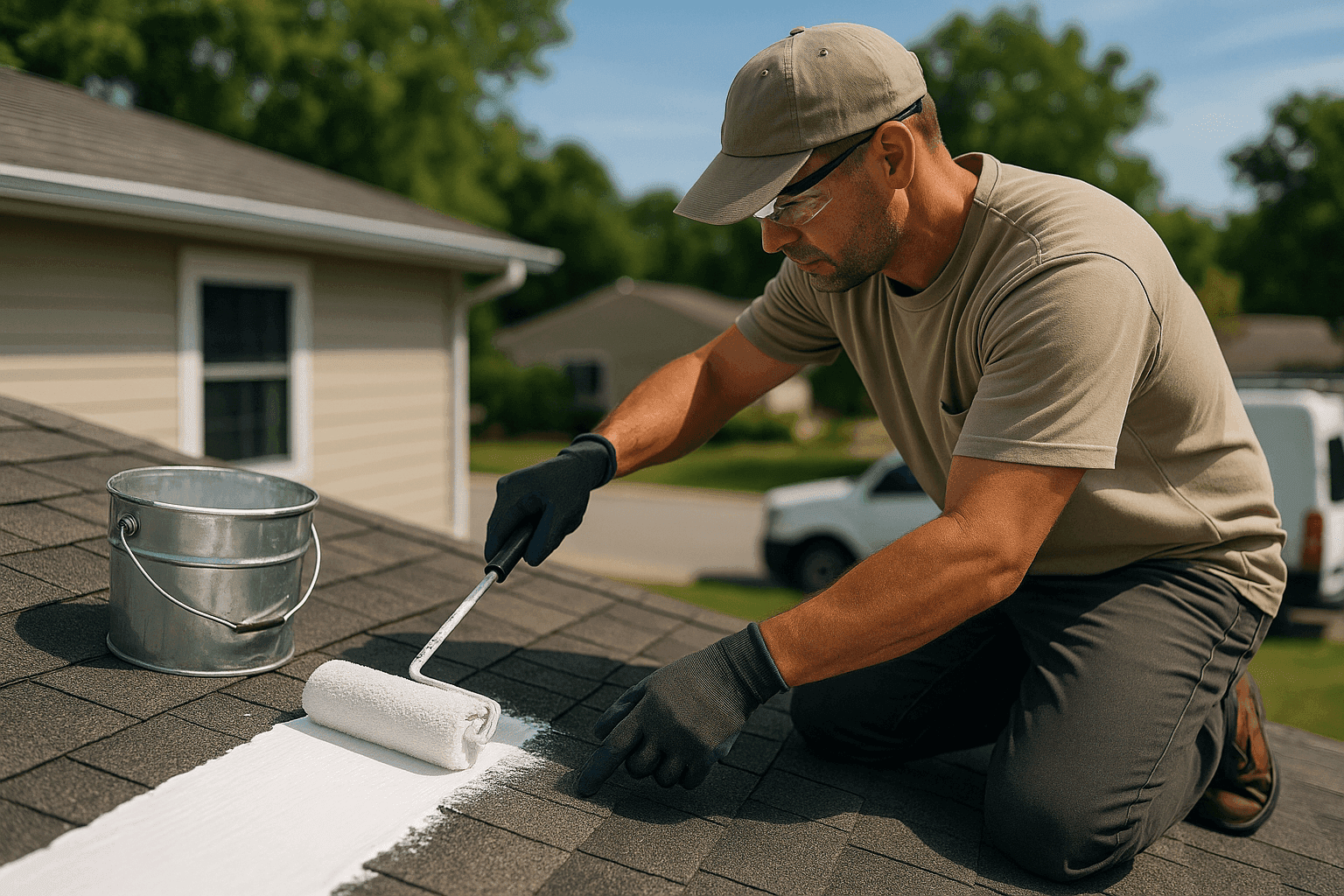
Is your roof showing its age? Maybe you’ve spotted a leak, or you’re just tired of sky-high energy bills. The right roof sealant or coating can add years to your investment—and peace of mind to your day.
At Vesley Roofing, we know the roof over your head is more than shingles and nails. It’s protection, comfort, and the first line of defense against whatever the weather throws your way. Let’s walk through how to choose the best roof sealants and coatings for long-lasting results.
Why Roof Sealants and Coatings Matter
Picture your roof as a raincoat for your home or business. Without proper maintenance, it gets worn, torn, and lets water seep through. Sealants and coatings act like that fresh layer of waterproofing—keeping the elements out, and your comfort in.
But not all products are created equal. The right choice depends on your roof type, climate, and maintenance habits. Let’s break it down.
Types of Roof Sealants and Coatings
Choosing a roof sealant or coating is a bit like picking the right shoes for the weather. Some are built for hot sun, others for pounding rain, and some for both.
- Acrylic Coatings: Water-based, easy to apply, and great for reflecting sunlight. Best for sloped roofs like shingle and metal.
- Silicone Sealants: Highly flexible, excellent for flat roofs and areas with standing water. They shrug off UV rays and don’t get brittle.
- Polyurethane Coatings: Tough and abrasion-resistant—ideal for high-traffic roofs or those facing frequent hail.
- Asphalt-Based Sealants: Traditional, affordable, and best for asphalt shingle roofs or older flat roofs.
- Elastomeric Coatings: Stretchy and durable, perfect for roofs that expand and contract with temperature swings.
- Eco-Friendly Options: Low-VOC and cool-roof formulas help cut down on heat absorption and reduce environmental impact.
Each type has its strengths. Acrylics are like a sunhat, reflecting heat. Silicones are rain boots—keeping water out no matter what. Polyurethanes are the steel-toed boots of the bunch.
Matching Product to Roof Type
- Shingle Roofs: Acrylic or asphalt-based sealants.
- Metal Roofs: Acrylic or elastomeric coatings.
- Flat Roofs: Silicone or polyurethane for superior waterproofing.
- Tile Roofs: Elastomeric coatings that flex with the tile.
If you’re unsure, check the manufacturer’s guidelines or ask a qualified roofer. Using the wrong product can do more harm than good.
Assessing Your Roof’s Condition
Before you dive into buckets and brushes, take a good look at what you’re working with. A roof in rough shape needs more than a fresh coat—it may need repairs first.
What to Look For
- Cracked, curled, or missing shingles or tiles
- Rust or corrosion on metal panels
- Pooling water on flat surfaces
- Mold, moss, or algae growth
- Soft spots or sagging areas
- Existing leaks or water stains inside
If your roof looks more like a patchwork quilt than a sturdy shield, it’s time to fix those issues before sealing. Otherwise, you’re just painting over problems.
Climate and Weather Considerations
Your climate is the unseen hand shaping your roof’s needs. Hot, sunny areas call for UV-resistant coatings. Wet, stormy climates demand serious waterproofing.
- Sun and Heat: Reflective acrylics or cool-roof coatings help keep your building cooler and reduce energy costs.
- Rain and Humidity: Silicone or polyurethane sealants prevent water intrusion and resist mold.
- Freeze-Thaw Cycles: Elastomeric coatings stretch and contract, preventing cracks.
Always check the product label for temperature and humidity application ranges. Applying in the wrong conditions can cause bubbling, peeling, or poor adhesion.
Quick Safety Checklist 🛠️
Before you start any roof work, safety comes first. Here’s what to check:
- Wear non-slip shoes and use a sturdy ladder.
- Only work in dry weather—wet roofs are slippery.
- Use gloves, safety glasses, and a dust mask if needed.
- Keep children and pets away from the work area.
- Never work alone; let someone know you’re up there.
- Follow OSHA guidelines for fall protection.
If the roof is steep, tall, or damaged, consider calling in a professional. Your safety is worth more than any DIY savings.
Step-by-Step: How to Apply Roof Sealants and Coatings
Ready to tackle the job? Here’s how to get the best results:
1. Clean the Surface
Dirt, leaves, and debris act like a shield between your roof and the sealant. Sweep, rinse, or power-wash the area. Let it dry completely.
2. Repair Damage
Patch holes, replace missing shingles or tiles, and seal cracks. Don’t skip this—sealants can’t fix structural problems.
3. Choose the Right Product
Match your roof type and climate to the best sealant or coating. Read the instructions carefully.
4. Apply Primer (If Needed)
Some coatings require a primer for better adhesion. Follow the manufacturer’s recommendations.
5. Apply the Sealant or Coating
Use a brush, roller, or sprayer. Start at the farthest corner and work your way back. Apply evenly and don’t rush—thick spots can crack, thin spots won’t protect.
6. Allow Proper Drying Time
Follow the label for drying and curing times. Keep foot traffic off until fully cured.
7. Inspect Your Work
Look for missed spots, bubbles, or drips. Touch up as needed.
DIY vs. Call a Pro
Some folks enjoy the hands-on approach. Others would rather leave it to the pros. Here’s how to decide:
DIY Might Be Right If:
- Your roof is low and easy to access.
- The surface is in good shape.
- You have the right tools and safety gear.
- You’re comfortable working at heights.
Call a Pro When:
- The roof is steep, high, or damaged.
- There’s extensive repair needed.
- You’re unsure about product compatibility.
- It’s an emergency roofing situation.
Professional roofers have the training, equipment, and insurance to handle tricky jobs safely. Plus, they can spot hidden issues you might miss.
What Pros Do On Arrival
When Vesley Roofing arrives, here’s what you can expect:
- A thorough inspection of your roof’s surface, flashing, and decking.
- Moisture testing to detect hidden leaks.
- Evaluation of existing sealants or coatings.
- Recommendations based on industry standards (such as ASTM D6083 for elastomeric coatings and NRCA guidelines).
- Safe, careful application with proper prep and cleanup.
We use high-quality, code-compliant products and follow best practices for every roof type.
Prevention & Maintenance
Think of roof sealants and coatings as sunscreen for your home. One application isn’t enough for life. Regular touch-ups keep your roof protected and performing its best.
Maintenance Tips
- Inspect your roof twice a year—spring and fall are ideal.
- Look for peeling, cracking, or worn spots in the coating.
- Clean gutters and downspouts to prevent water buildup.
- Address minor issues before they become major repairs.
- Schedule professional inspections after severe storms.
Regular maintenance can prevent leaks, reduce UV damage, and lower your cooling costs. It’s an investment that pays for itself over time.
Eco-Friendly Coating Options
If you’re looking to shrink your carbon footprint, eco-friendly roof coatings are an excellent choice. Products labeled “cool roof” or “low-VOC” help reflect sunlight and reduce heat absorption. This means less strain on your air conditioning—and a smaller energy bill.
Look for coatings that meet Energy Star or CRRC (Cool Roof Rating Council) standards. Many of these products are also safer for the environment and your family.
Costs & Time Factors
Every roof is different, and so is every project. Here’s what can affect your costs and timeline:
- Roof Size: Larger roofs require more material and labor.
- Condition: More prep and repairs mean higher costs.
- Product Choice: Premium, eco-friendly, or specialty coatings may cost more up front.
- Access: Steep or complex roofs take longer and require extra safety measures.
- Weather: Rain, humidity, or extreme temperatures can delay application and curing.
Most residential jobs take a day or two, while larger commercial roofs may need several days. A professional can give you a clearer idea once they’ve seen your roof.
When It’s an Emergency
Sometimes, waiting isn’t an option. A sudden leak during a storm, wind damage, or a failing roof membrane calls for emergency roofing solutions.
In these cases, temporary sealants or patching may be applied to stop the immediate damage. Once the weather clears, a full inspection and permanent repair can be scheduled.
If water is pouring in or structural damage is suspected, don’t risk your safety. Get everyone out of harm’s way and call for emergency help right away.
Frequently Asked Questions
How long do roof coatings last?
Most quality coatings last 5–10 years, depending on product type, climate, and maintenance. Some high-end silicone or elastomeric coatings can last even longer with regular care.
Can I apply a new coating over an old one?
Sometimes, yes—but only if the old coating is in good shape and compatible with the new product. Always clean and prep the surface first. When in doubt, ask a roofing professional.
Will sealants and coatings stop all leaks?
They’re highly effective for small cracks, minor leaks, and preventing future problems. But they won’t fix structural issues or major roof damage. Repairs should come first.
Are eco-friendly coatings as durable as traditional ones?
Many modern eco-friendly products meet or exceed traditional performance standards. Look for certifications like Energy Star or CRRC to ensure quality.
Special Considerations for This Service
- Ventilation & Insulation: Proper attic ventilation and insulation extend the life of your coatings and improve energy efficiency.
- Downspouts & Gutters: Clean, well-maintained gutters prevent water from backing up and damaging your roof edges.
- Flashing & Skylights: Pay extra attention to areas around chimneys, skylights, and vents. These are common leak points.
- New Construction: If you’re building new, ask about integrated coatings and sealants for long-term protection.
Regular care and the right products can make your roof last like a champion—weathering storms, sun, and everything in between.
Call Vesley Roofing now — or reach us anytime at 844-460-8487 .