How to Choose the Best Gutter System for Your Home
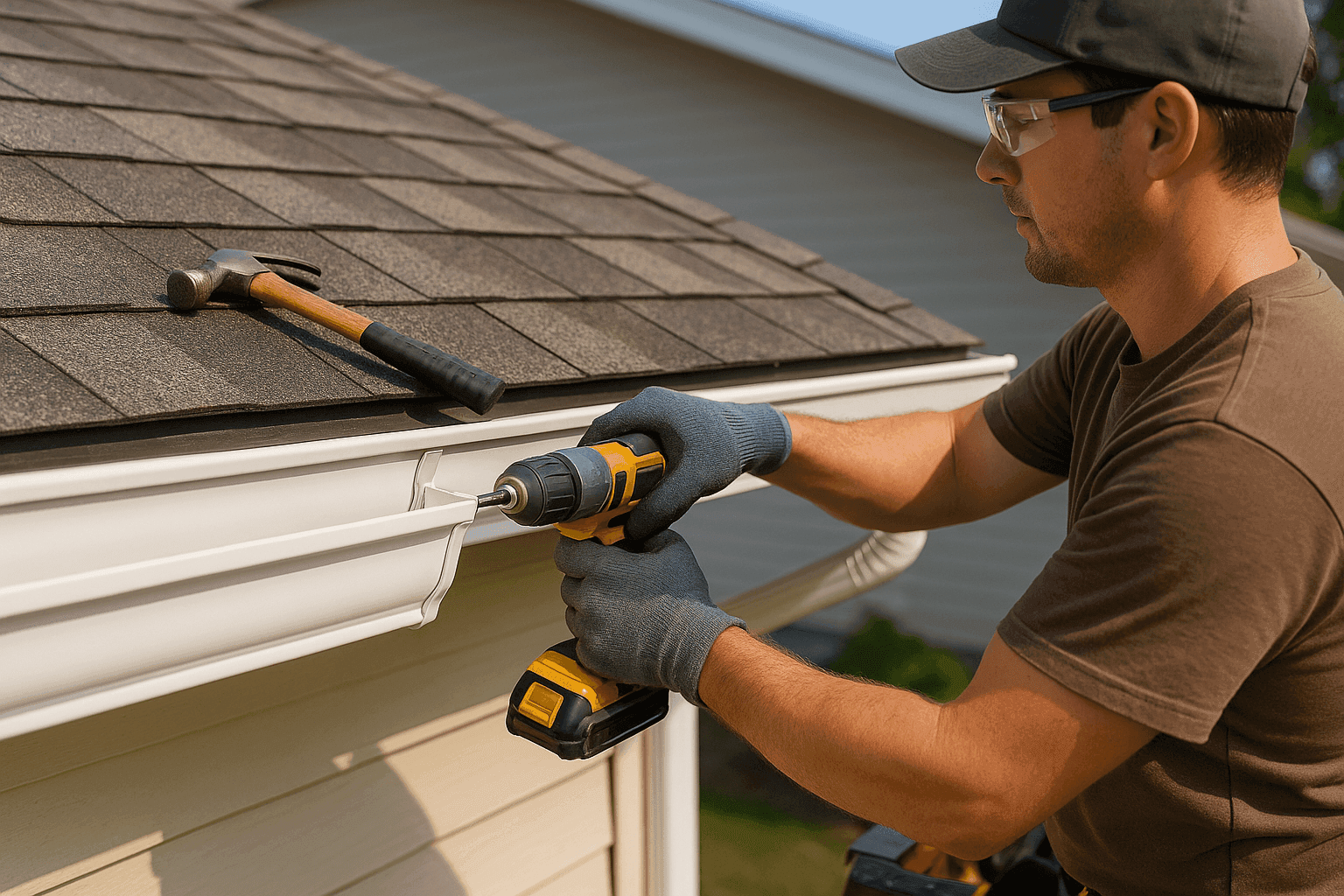
Rain can be both a blessing and a headache. When it pours, your gutters are the silent heroes, whisking water away from your home’s foundation and roof. But the wrong gutter system—or one that’s seen better days—can turn a sprinkle into a disaster. At Vesley Roofing, we know a thing or two about keeping homes and small businesses dry, safe, and ready for whatever the sky throws down.
Choosing the right gutter system isn’t just about looks. It’s about peace of mind, property value, and long-term protection. Let’s break down the maze of materials, styles, and features so you can make the best decision for your property.
Understanding Different Types of Gutter Systems 🏠
Gutters come in more flavors than you might think. Each has its own strengths, weaknesses, and ideal uses. Here’s what you need to know:
Common Gutter Materials
- Aluminum: Lightweight, rust-resistant, and budget-friendly. Aluminum gutters are the go-to for many homeowners. They hold up well in most climates and are easy to customize.
- Copper: The showstopper. Copper gutters develop a patina over time and can last for decades. They’re pricey but add serious curb appeal and require less maintenance.
- Vinyl: Affordable and easy to install, but not as tough as metal. Vinyl can crack in extreme cold or warp in heat, so it’s best for milder climates.
- Steel: Heavy-duty and sturdy, steel gutters can handle tough weather. They’re prone to rust if not properly coated, but they’re great for areas with heavy rain or snow.
Popular Gutter Styles
- K-Style Gutters: The most common. Their flat backs and decorative fronts look sharp and hold more water than rounded options.
- Half-Round Gutters: Classic and simple. These are shaped like a tube cut in half and are often found on older or historic homes.
- Box Gutters: Large and square, box gutters are built for commercial buildings or homes with big roofs.
Each material and style comes with trade-offs. Think of it like picking out shoes: function, fit, and fashion all matter.
Factors to Consider When Choosing a Gutter System
Before you settle on a gutter system, ask yourself a few key questions. The answers will help you avoid headaches down the road.
Durability
How long do you want your gutters to last? Copper and steel can go the distance, while vinyl and aluminum may need more frequent replacement.
Climate Suitability
- Heavy rain? Go for larger, sturdy gutters like steel or high-capacity K-style aluminum.
- Snow and ice? Metal gutters are less likely to crack under pressure.
- Mild weather? Vinyl might be enough, saving you some cash.
Maintenance Requirements
Copper resists algae and mildew. Aluminum won’t rust. Vinyl is low-maintenance but can become brittle. Think about how much time you want to spend cleaning and repairing, or if you’d rather leave it to the pros.
Budget
Not all gutters are created equal—or priced the same. Vinyl is the bargain bin, copper is the luxury aisle, and aluminum and steel fall somewhere in between. Remember to factor in installation and potential repairs.
Property Type and Roof Size
A small bungalow and a sprawling commercial building have very different needs. Make sure your gutters can handle the volume of water your roof sheds.
Benefits of Professional Gutter Installation
You could try to install gutters yourself. But like baking bread from scratch, it’s trickier than it looks. Here’s why calling Vesley Roofing is worth it:
- Precision: Proper slope and secure attachment are crucial. A slight miscalculation can send water where you don’t want it.
- Safety: Working on ladders and roofs is risky. Our team uses the right gear and techniques to stay safe.
- Customization: We tailor gutter systems to your property’s unique shape and drainage needs.
- Warranty: Professionally installed gutters often come with better manufacturer support.
A pro installation isn’t just about getting the job done—it’s about getting it done right, so you don’t have to worry about leaks or water damage during the next downpour.
Maintenance Tips to Extend Gutter Life 🛠️
Gutters aren’t “set it and forget it.” A little TLC goes a long way. Here’s how to keep yours in top shape:
- Clean regularly: Remove leaves, twigs, and debris at least twice a year—more often if you have overhanging trees.
- Check for leaks: Look for staining or water pooling around your foundation after rain.
- Inspect fasteners: Make sure brackets and screws are tight. Sagging gutters can’t do their job.
- Flush with water: Use a hose to clear out small blockages and test for proper flow.
- Trim trees: Keep branches away from your roof and gutters to prevent clogs.
- Watch for rust or cracks: Address small issues before they become big problems.
Following these simple steps can add years to your gutter system’s life and save you from emergency roofing calls.
Common Pitfalls and How to Avoid Them
It’s easy to cut corners or overlook details when choosing or maintaining gutters. Here are a few traps to sidestep:
- Ignoring roof pitch: Gutters must match your roof’s angle and drainage needs.
- Undersized gutters: Too small, and they’ll overflow in heavy rain.
- Improper downspout placement: Water should be directed away from your foundation, not toward it.
- Neglecting maintenance: Clogged gutters can lead to rot, leaks, and even foundation damage.
If in doubt, call in a professional for an inspection. The cost of a quick checkup is nothing compared to major repairs.
Seasonal Considerations for Gutter Care
Each season brings its own challenges:
- Spring: Clear out winter debris and check for ice damage.
- Summer: Inspect for leaks and sagging after storms.
- Fall: Remove leaves and check for blockages.
- Winter: Watch for ice dams and ensure water can flow freely.
Staying ahead of the seasons keeps your gutters—and your home—protected year-round.
Gutter System Safety Guidelines
Always put safety first when working on or around your gutters. Here’s a quick checklist:
- Use a sturdy ladder on level ground.
- Wear gloves to protect your hands.
- Watch for power lines near your roof.
- Never lean out too far—move the ladder instead.
- Avoid working on the roof in wet or icy conditions.
For more detailed safety practices, refer to the Occupational Safety and Health Administration (OSHA) guidelines.
Frequently Asked Questions
How often should gutters be replaced?
Most gutters last 20–30 years, depending on material and care. Watch for leaks, rust, or sagging as signs it’s time for a replacement.
Can clogged gutters really cause roof damage?
Absolutely. Blocked gutters can lead to water backing up under shingles, causing leaks, rot, and even structural problems.
What’s the best way to prevent gutter clogs?
Regular cleaning is key. Installing gutter guards can also help, but they’re not a substitute for occasional maintenance.
When should I call for emergency roofing help?
If you notice water pouring over your gutters, leaks inside your home, or visible sagging, it’s time to call Vesley Roofing right away.
Special Considerations for Gutter Systems
Gutter systems aren’t one-size-fits-all. Unique features like skylights, chimneys, or complex rooflines require custom solutions. If you’re adding a new roof, building an addition, or have a historic property, professional advice is essential. Vesley Roofing can design and install gutters that fit your property perfectly—no guesswork, no headaches.
Ready to protect your home or business from the next big storm? Call Vesley Roofing now — or reach us anytime at 844-460-8487 .